Stage One Announces Eight Theatre Producer Placements for 2026/27

By Grace Hatchell
Now then, there are eight names on me delivery list today, and each one is heading for a year behind the scenes at a theatre or production company. I’ve checked the addresses twice. Sending a producer to the wrong office would be considerably harder to explain than misdelivering a gardening catalogue.
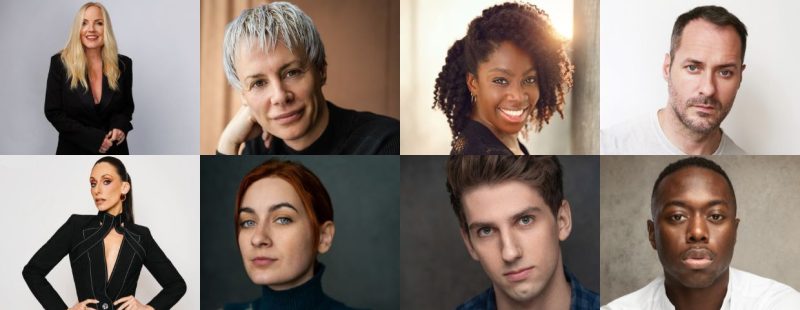
Stage One has announced its 2026/27 Placement Producers, with eight emerging talents taking up paid, 12-month placements across leading London production offices and regional theatres.
Their destinations include Sonia Friedman Productions, Francesca Moody Productions, Rodeo Productions and the Royal Court, alongside Citizens Theatre, Pitlochry Festival Theatre, Sheffield Theatres and Mercury Theatre Colchester.
These placements offer practical experience in producing, general management, development, programming, co-productions and in-house projects. There’s a great deal involved in getting a show in front of an audience, and this cohort will have a year to learn alongside the people doing it.
I’ll leave the contracts and production budgets to them. Keeping me postal round on schedule is quite enough paperwork for one woman.
First delivery: London
Syania Shaharuddin joins Sonia Friedman Productions. Originally from Singapore, she began in stage management before moving into producing, gaining experience in creative development, production and fundraising. A previous participant in Stage One’s Bridge the Gap programme, she is producing The Dragon Boiz and Stumbling while developing sustainable commercial models for ambitious, play-led work.
Lydia Power heads to Rodeo Productions. Since graduating with a BA in Musical Theatre and beginning her theatre career in 2022, she has worked in administration and operations at ATG Entertainment and the Society of London Theatre. Her experience includes helping deliver the Olivier Awards, UK Theatre Awards and West End Live.
Aya O’Shea Freke takes up her placement with Francesca Moody Productions. Currently Assistant Producer at Freckle Productions, Aya works across commercial touring family theatre and fringe-scale new writing, with a particular interest in dramaturgy and developing new work. Her credits include the UK and Ireland tour of ZOG and productions of Stick Man in London, Sheffield, Hong Kong and Singapore.
Ben Walter joins the Royal Court Theatre. Originally from Naarm/Melbourne, the London-based producer, actor and director founded Patalog Theatre, where he is Artistic Director. His producing credits include Far Away, Punk Rock and Tusk Tusk. Audiences may also know him as Albus Potter from the Australian production of Harry Potter and the Cursed Child.
Next stop: the regional theatres
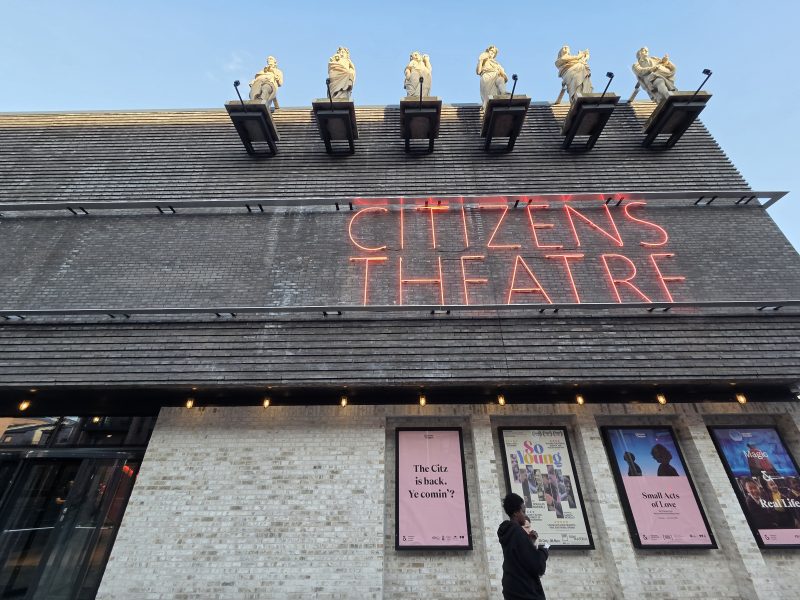
Neve Adams joins Citizens Theatre in Glasgow, bringing a strong focus on community engagement and new writing. Her experience includes the National Theatre of Scotland, Traverse Theatre and Tron Theatre, as well as A Play, A Pie and A Pint. As Associate Producer there, she supported the development of 30 new plays a year and led the company’s pantomimes.
Neve has already begun her placement, saying she started in September and quickly felt at home with the team.
Molly Keating heads to Pitlochry Festival Theatre. From Loch Lomond and a graduate of the Royal Conservatoire of Scotland, Molly is a producer, actor and writer who began producing at the Edinburgh Fringe aged 19. She has since produced more than ten shows there, alongside work at festivals in Melbourne, Sydney and Adelaide. Her particular interests include funny, female-centred and socially engaged work.
Linxi Shi joins Sheffield Theatres, bringing experience across theatre, festivals and outdoor arts. Her previous roles include Programme Coordinator at Lowry and Festival Partnerships Manager at Without Walls. She trained in film and television production in China before studying theatre, film and performance design in the UK, followed by a master’s in curating contemporary design.
Finally, Jonathon Prestney takes up his placement at Mercury Theatre Colchester. An award-winning creative producer and Associate Producer with Dance Horizons Ltd, he supports the Innovations Platform with Capital Theatres. His work covers new writing, artist development, casting, research and development, and collaboration between organisations.
Jonathon’s background also includes performing on regional and West End stages, European tours and live broadcast, before moving into creative leadership.
Quite the round, that. I hope somebody’s put the kettle on.
Learning while doing—and getting paid
Since 2006, Stage One has facilitated more than 100 paid placements in West End producing offices. It has also supported more than 40 placements in national theatres since its National Placement Scheme launched in 2013.
Stage One Chief Executive Joseph Smith describes the scheme as central to the organisation’s work, giving emerging producers the chance to develop through hands-on experience. He also notes that many leading industry producers began through the programme.
For this year’s cohort, the placements offer opportunities to understand different producing models, audiences and creative approaches, from commercial projects and national tours to programming within producing theatres.
Stage One’s wider support includes training, bursaries, mentoring, investment and advice, with a focus on entrepreneurship and people traditionally underrepresented in the industry.
That’s eight placements delivered, with a busy year ahead for every recipient. I’ll be keeping an eye out for their names on future productions.
For now, I’d best get back to me round. These theatre announcements don’t deliver themselves.
What else does Stage One do? Let me open the rest of me satchel
Before I head off, there’s more to Stage One than the placements I’ve just delivered.
Stage One is the operating name of the Theatre Investment Fund Ltd, registered charity number 271349. It describes itself as the UK’s only charity solely dedicated to educating, training and supporting emerging theatre producers nationwide, with a strong focus on entrepreneurship and people traditionally underrepresented in the industry.
Its support falls into six main areas. I’ve sorted them below—no signature required.
Bridge the Gap
This year-long programme supports aspiring producers from underrepresented backgrounds. Thirteen participants receive tailored monthly workshops, mentoring and access to commercial opportunities.
I like the idea of having somebody to ask when you’re finding your feet. On me first postal round, that mostly meant asking which houses had letterboxes hidden behind shrubbery. Producing presents rather different questions.
Producing workshops
Stage One runs workshops covering West End, Off-West End and commercial touring productions.
The three-day Andrew Treagus West End Workshop brings participants together with leading industry figures to explore marketing, contracts, general management, venue negotiations, budgets, rights, fundraising and looking after investors.
The Off-West End and Commercial Touring workshops cover these skills in one-day sessions suited to their respective scales. Quarterly Stage Two workshops offer half-day sessions exploring specific topics in greater depth.
That’s a fair amount to get your head round before anybody even raises the curtain. I’ll never complain about sorting Christmas parcels again. Well, not until December.
Producer placements
The placement programme offers hands-on experience within established production companies and theatres, through London, National and Bridge the Gap strands.
Stage One describes its wider annual programme as offering nine full-time, paid placements lasting a year; eight producers have been named in this 2026/27 announcement.
Previous hosts include Playful Productions, ATG Productions, Sonia Friedman Productions and Mark Rubinstein Ltd., alongside Birmingham Hippodrome, Hull Truck, Sheffield Theatres and MAST Mayflower Studios.
Bursary Award
The Bursary Award provides up to £20,000 to help producers establish their companies and develop their careers. Successful applicants are also paired with an industry mentor.
Money to help get things moving, with someone experienced to turn to along the way. I’d imagine both could come in useful when your production budget starts looking more complicated than me Christmas delivery schedule.
New York Exchange
Now in its sixth year, the New York Exchange operates in partnership with Columbia University’s Producing programme.
US students visit London to learn about producing in the West End and across the UK. Selected UK producers receive a grant covering travel and accommodation to explore Broadway and Off-Broadway producing in New York.
That’s one delivery route I wouldn’t mind trying. Though I suspect me usual sensible shoes would still be coming with me.
Investment
Stage One also invests in commercial productions, including large-scale and West End work. Producers apply against guidelines set by a committee, which considers whether to invest.
Its Small-Scale Commercial Investment scheme supports small and mid-scale producers seeking to make their work more commercially viable and broaden their pool of investors. Investment decisions are made by a committee of active producers, with scope to vary guidelines according to a production’s circumstances.
For emerging producers, these programmes offer several routes towards building knowledge, gaining experience and developing their work. Which one fits will depend on where they are in their career—and what they’re hoping to bring to the stage.
To keep up with Stage One, you can find it on Instagram at @stageonenewprod, on X at @StageOneNewProd and on Facebook as Stage One New Producers.
Right, me satchel’s finally empty. Time to find out what’s waiting on the next round.