On the advertising, it looked good and it looked like it had potential. However, the reality was different.
In January, I bought a ticket that had caught my interest: West End By Candlelight at Newcastle Cathedral, presented by The Live Music Co Ltd.
I cannot remember if the ticket I purchased advertised restricted viewing or not, but I do know it was one of the cheaper tickets.
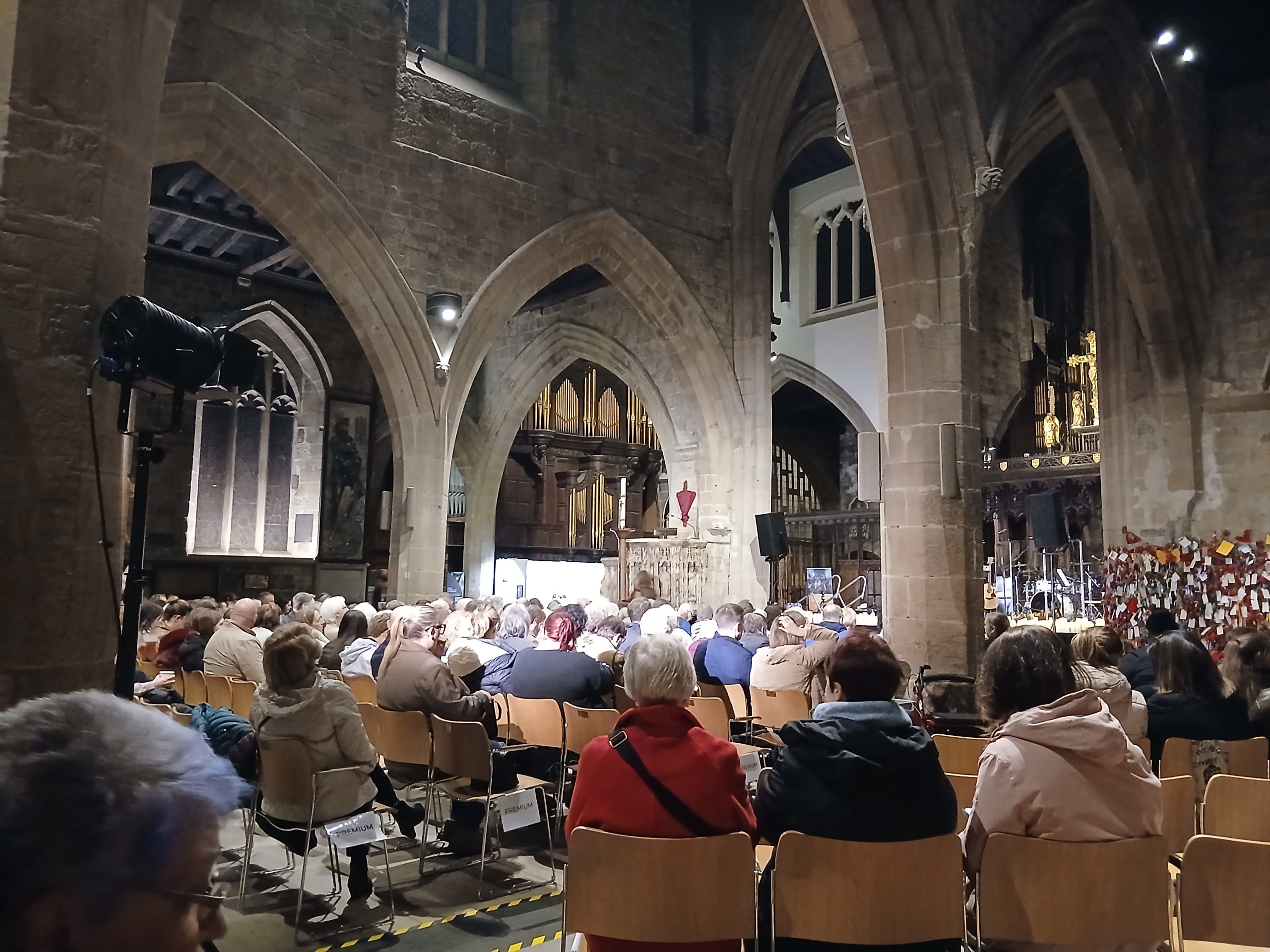
When I arrived, some seats had already been filled in Section B, so I was limited in where I could sit anyway. I chose a seat where there was a pillar in my sightline. However, if staged correctly, it could actually have worked.
Let’s start with the performers. Unfortunately there was no programme, so no names were available. The actual singing was phenomenal and the live band was very good. There were some candles at the front, so yes, it lived up to the promise of a candlelit concert, although it could have looked even better as the staging was quite minimal.
However, for me, I was not paying for a radio concert. I was there to see and hear a show. You could effectively call my seat block the cheaper row. I noticed this not just by the view but also by the position of the speakers, which were directed towards the premium seating and Section A. It felt like the side rows had been left out in the cold, which was not good.
“I Dreamed a Dream,” performed by one of the female singers, was fantastically sung and, despite the speakers being directed away, I could still hear the amazing sound. It was Newcastle Cathedral after all.
However, the biggest flaw was the stage layout and the positioning of the performers. I am not blaming the performers, as they will have been stage blocked by the director, but there was very little movement. It felt quite stagnant, with the performers staying mostly in one position.
Cathedrals are beautiful but very old buildings, and it is understandable that seeing from every angle can be difficult. Pillars, architecture and fixed layouts will always create challenges. However, that is exactly why preparation and planning become even more important in venues like this, to ensure that every audience member can still see something of the performance.
There were several ways this could have been addressed. If the staging had incorporated runways, it would have allowed the performers to move around the audience more effectively. The stage itself could also have been circular, offering a 360-degree view to all audience members. Even the use of TV screens placed around the venue would have helped those with restricted views still see the performers during key moments.
Because of where I was sitting, behind a pillar, and the very limited movement of the performers who remained nearly dead centre, it meant I hardly saw them performing at all.
At the interval, I noticed the left-hand side, still within the same price band, had better views. It seemed the right-hand side was the section the technical team or director had forgotten about.
I saw audience members in front of me straining, stretching or shifting their bodies just to catch a faint glimpse, but unfortunately they could not.
This events company stages a series of concerts at this venue, so they must surely know how the space should be set up and staged. The performers could also have used the aisles or sung within the audience to alleviate some of these issues.
Unfortunately, my experience of the show was marred by poor sightlines and the staging choices.
While the performers and musicians delivered excellent vocal performances, the poor sightlines let the experience down.
If you attend an event like this in the future, I would recommend choosing premium or Section A seating.
A restricted view at a London theatre normally means a side view, missing the top of the stage, or perhaps the actors’ feet. You can still see the actors and most of the scenes. But to have a pillar blocking your view, combined with limited staging movement, felt unfair for paying customers.
Overall: ★★★☆☆ 3 Stars
They need to improve sightlines and rethink the staging of this show.
About the Author
