Birds
By Grace Hatchell, currently considering whether moving into a VR orchestra counts as “career progression”
Every Fringe season has that one programme announcement where you innocently think you’ll skim a few show titles… and suddenly two hours have vanished, your lower back’s gone numb on a plastic café chair, and you’re emotionally invested in at least seven productions involving existential dread, drag princes and a Scottish man hanging upside down in a kilt.
Well. House of Oz have only gone and done it again.
The award-winning Australian arts powerhouse has unveiled its 2026 Edinburgh Fringe season, and honestly, it sounds less like a programme announcement and more like someone opened a portal and let pure chaotic creativity pour straight onto the Royal Mile.
For anyone unfamiliar, House of Oz has become one of the Fringe’s essential homes for bold Australian work, helping artists leap over what they brilliantly describe as “the tyranny of distance” by supporting productions with travel, marketing, PR and development support. Over the years, they’ve built a reputation for bringing over the sort of shows people stumble into by accident and then spend the next six months aggressively recommending to strangers.
And looking at this line-up? Aye. They’re absolutely keeping that streak alive.
One of the biggest eyebrow-raisers this year has to be Concerts of the Future from The Sonicrats and the Melbourne Symphony Orchestra. Instead of simply watching Beethoven’s Symphony No. 7, audiences are invited to step inside the orchestra itself through a VR experience where you become the performer. No musical experience required, apparently, which is probably for the best considering the last instrument I touched was a recorder in Year 5 and even that ended in several complaints.
Using futuristic instruments, audiences move from spectator to player in what sounds like one of the Fringe’s most ambitious immersive experiences. Honestly, Edinburgh’s gone from “would you like a flyer?” to “would you like to conduct Beethoven in virtual reality?” and I’m kind of here for it.
Then there’s Glass Child, which sounds like one of those beautifully emotional Fringe pieces that quietly sneaks up on you and leaves half the audience blinking back tears while pretending they’ve “just got something in their eye.” The production explores the real-life relationship between siblings Kayah, a young man with Down’s syndrome, and his sister Maitreyah, blending dance, theatre and storytelling to explore love, difference and perception.
Meanwhile, Joel Bray’s DADDY issues arrives with exactly the sort of title that makes you nervous, intrigued and slightly concerned all at once. The acclaimed Aboriginal choreographer uses humour, participation and a candy-coloured world to explore longing for his father and a lost mother tongue, while also interrogating colonisation. Which, if you know Fringe audiences, means people will emerge from the venue saying things like, “It was deeply moving and also I got handed a lollipop at one point.”
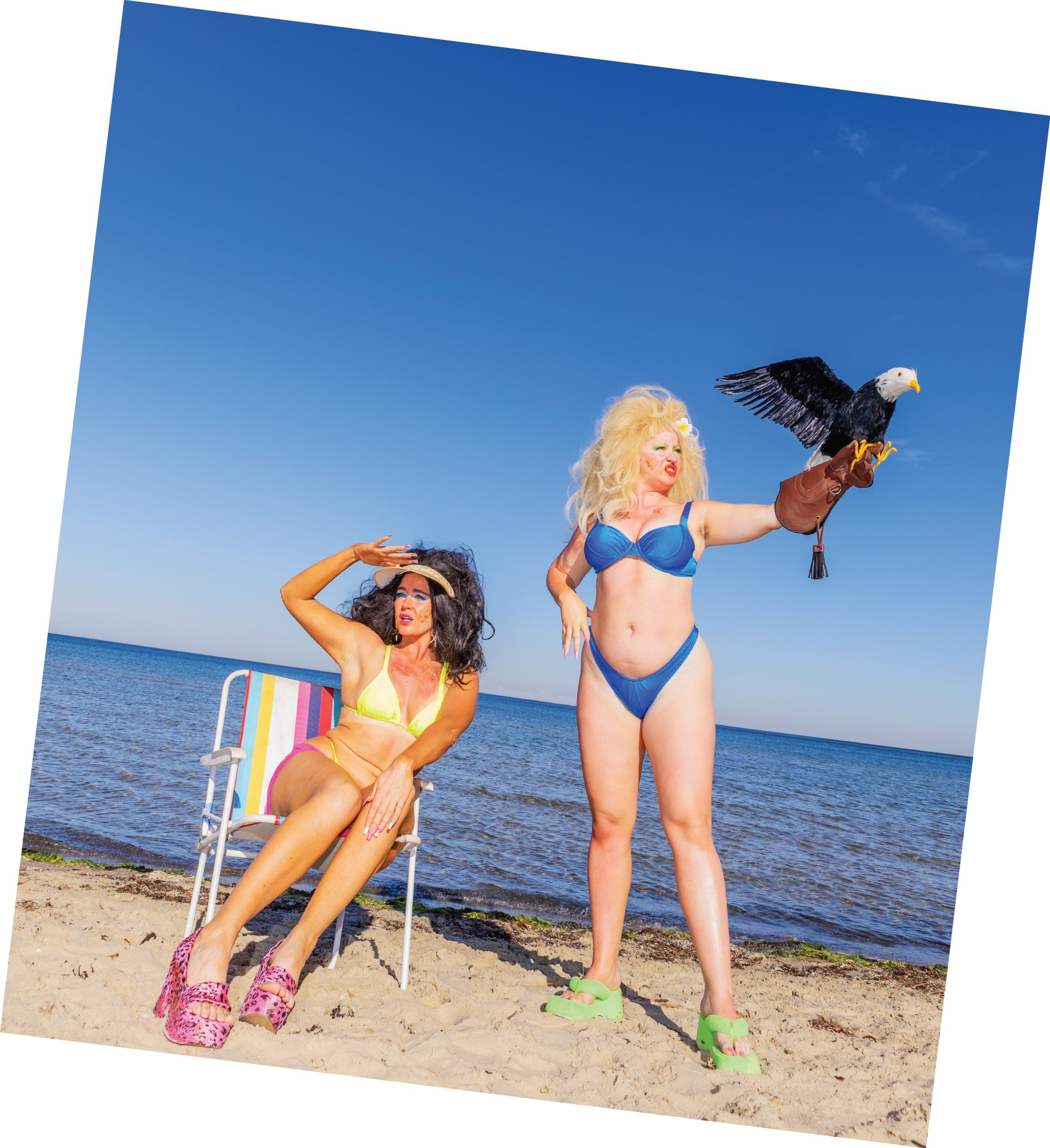
Now let us discuss BIRDS. Because this sounds gloriously unhinged in the best possible way.
Described as Kath and Kim meets Waiting for Godot, the show follows Shayna and Beverley escaping to the beach while the world quietly unravels around them. End-of-days comedy with gossip and sunbathing? That’s basically every British seaside town whenever the weather hits 21 degrees.
And then, like all good Fringe programmes, absolute emotional devastation is immediately followed by complete chaos.
The Listies return with 110% Ready, a family comedy disaster movie about the morning routine. Honestly, if anyone can turn “trying to leave the house on time” into high drama, it’s parents during the Edinburgh Fringe carrying three backpacks, a screaming child and seventeen abandoned flyers.
Expect puns, slapstick and utter mayhem.
Also returning are Gravity & Other Myths with Ten Thousand Hours after selling out in 2025. The internationally adored production celebrates the dedication behind extraordinary performance, acting as a love letter to the sheer grind, effort and repetition artists pour into their craft. Which feels especially fitting at the Fringe, where performers will happily hand out flyers for six hours in the rain before doing a backflip at 10pm and emotionally collapsing into noodles afterwards.
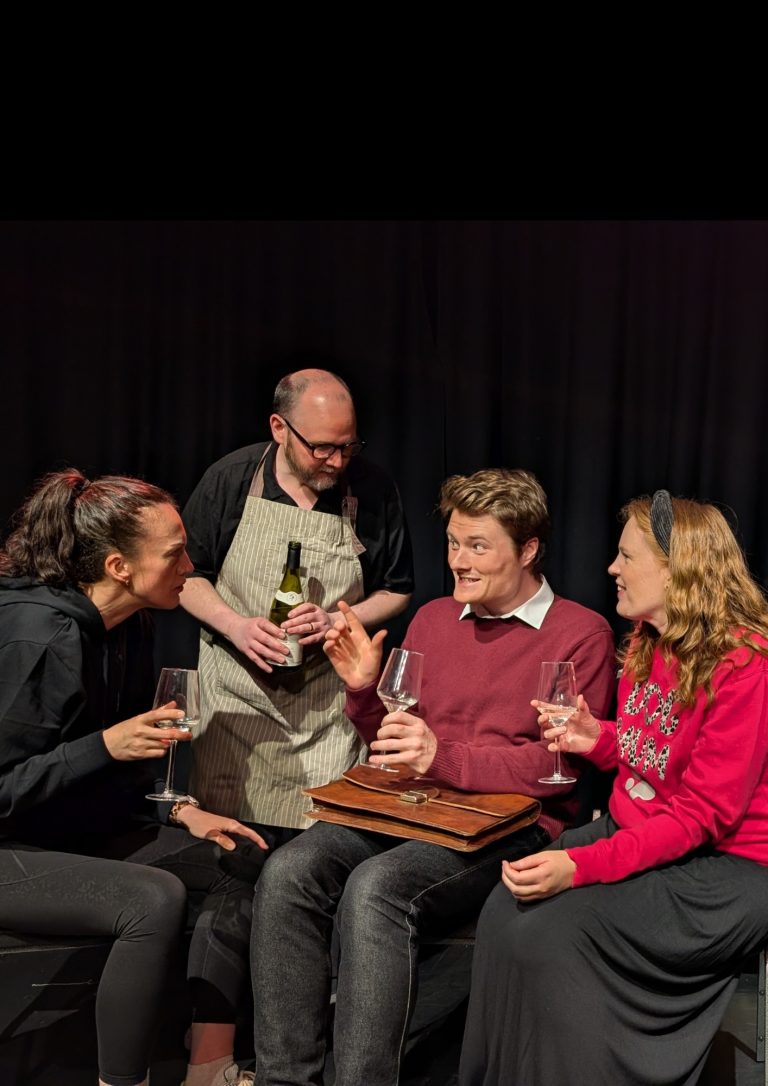
The programme also spotlights the recipients of the 2026 House of Oz Purse Prize: Fuccbois: Live in Concert and How Not to Make It in America.
Fuccbois: Live in Concert sounds like the sort of show that’ll become impossible to get tickets for three days into the Fringe. Featuring four female performers as drag “princes,” the show skewers modern masculinity and boy band toxicity through a glitter-soaked pop concert packed with songs apparently catchy enough to feel like genuine chart hits.
Meanwhile, Emily Steel’s How Not to Make It in America sounds properly gripping. Set in 2001, it follows a young Australian actor in New York after 9/11, with a solo performer transforming into 28 different characters across the piece. Fringe audiences do love leaving a venue whispering, “I can’t believe one person just did all that,” while looking slightly emotionally winded.
What makes House of Oz so exciting year after year is the sheer range of work they champion. One minute you’re stepping into a virtual orchestra, the next you’re watching absurdist beach comedy, then suddenly you’re crying into a Fringe brochure over a deeply personal family story before ending the night at a satirical drag boyband concert.
That’s the Fringe, really.
Chaotic. Emotional. Slightly sleep-deprived. Full of ideas nobody else would dare attempt.
And House of Oz seems determined to keep serving exactly that.
About the Author