There’s a particular kind of magic you only find in amateur theatre. You feel it the moment you step into a small auditorium, a school hall dressed up for opening night, or a converted space where someone has spent hours hanging fairy lights to make it feel welcoming. It’s a magic built not from money or spectacle, but from community, determination, and the pure desire to tell a story.
Amateur theatre is often the starting block for countless performers. It’s where people begin before they even realise they’re beginning. Someone joins because a friend drags them along… and suddenly they discover a talent they never knew they had. A young person who struggles to make eye contact at school finds confidence in a role that lets them speak. Adults who spend their days in offices or classrooms get the chance to step into another world for a few hours a week. These spaces allow people to grow in ways they never expected.
These groups are the unofficial classrooms of theatre. Performers learn how to rehearse, how to warm up, how to hold an audience, and how to recover from the unexpected — the missed cue, the prop that breaks, the costume that suddenly needs sewing back together five minutes before curtain up. In amateur productions, you learn quickly that theatre is built on teamwork, trust, and generosity. These are lessons that stay with you long after the applause fades.
And it’s not just the performers who blossom. Amateur theatre offers a home for backstage wizards too. Lighting enthusiasts, aspiring directors, choreographers who once danced in the school gym, people who love painting sets, sewing costumes, or organising props with military precision. Many find their calling here, developing skills that can lead them to professional careers or simply enrich their lives with something creative and fulfilling.
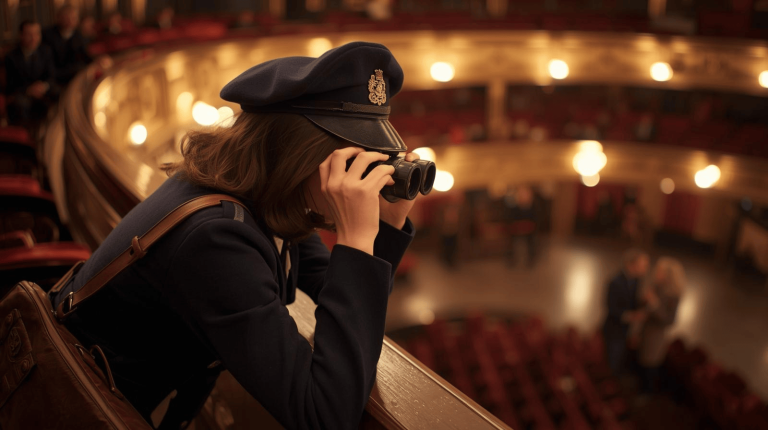
For audiences, amateur theatre offers something uniquely sincere. There’s no hard sell. No inflated ticket prices. No pressure to impress industry insiders. What you see onstage is the result of people showing up because they genuinely care. That kind of passion is infectious. Sometimes the result is surprisingly polished — a West End-worthy voice or a performance that stops you in your tracks. Other times it’s charmingly imperfect, but the heart is always there. And that heart is what makes audiences come back again and again.
Critics often overlook this world, focusing instead on big productions with big marketing budgets. But this means missing a huge part of the theatre ecosystem. Amateur theatre isn’t the fringe of the industry — it’s the roots. It’s where future stars begin, where lifelong love for the arts is born, and where many audience members first learn to sit in the dark and let a story take them somewhere new.
There is also something quietly heroic about the way amateur companies operate. They make miracles happen with limited resources. Costumes are pulled together from charity shops, sewing machines, or someone’s wardrobe. Sets are built in garages, living rooms, or community workshops. Rehearsals take place in borrowed spaces, often after long workdays, and yet somehow, by opening night, everything comes together in a way that feels almost magical. That commitment, that spirit, deserves to be recognised.
And let’s be honest: the joy of amateur theatre isn’t just about what happens onstage. It’s the camaraderie. The rehearsals where everyone dissolves into laughter. The problem-solving sessions over cups of tea. The shared nerves in the wings. The cast member who becomes a lifelong friend. Amateur theatre is a social lifeline for so many people — a place of belonging, creativity, and warmth.
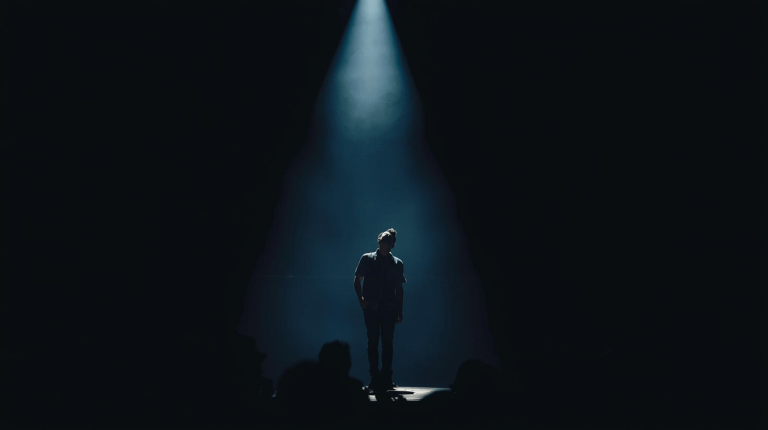
This is why critics and theatre lovers should celebrate it more. Not out of charity or sentimentality, but because it genuinely matters. It nurtures talent, enriches communities, and keeps the spirit of theatre alive in places that big productions will never reach. It reminds us that theatre doesn’t belong only to the professionals — it belongs to everyone willing to step into the light and give it a try.
If the industry wants to thrive, we need to support the places where performers first discover their shine. Amateur theatre is where those sparks are lit. And those sparks often turn into stars.
About the Author